WARNING: This product contains nicotine. Nicotine is an addictive chemical.

Views: 0 Author: Site Editor Publish Time: 2026-08-25 Origin: Site


A disposable vape can become noticeably weaker before it completely stops working, but weak vapor does not automatically mean the e-liquid is gone. On rechargeable models, the battery may simply need charging. On other devices, an airflow problem, dry wick, or end-of-life condition can produce similar symptoms. A vape battery and e-liquid indicator makes the distinction easier by showing power and liquid status separately. The most reliable judgment still comes from combining the display with flavor, vapor output, charging behavior, and the device's normal operating signals rather than relying on one reading alone.
If the e-liquid gauge has reached or is approaching its lowest level and the device also produces consistently weak vapor, muted flavor, or an unpleasant dry taste, the disposable is probably at the end of its usable e-liquid. If only the battery reading is low, a rechargeable model may simply need charging. A vape battery and e-liquid indicator is most useful because it separates these two conditions instead of treating every weak puff as an empty device.
Low battery + liquid remaining: recharge only if the model is designed to be rechargeable.
Liquid near empty + normal battery: the device is approaching the end of its e-liquid supply.
Normal battery and liquid readings + no vapor: consider airflow, sensor, coil, or device malfunction rather than assuming it is empty.
Persistent harsh or burnt taste: stop using the device even if the liquid display has not yet reached zero.
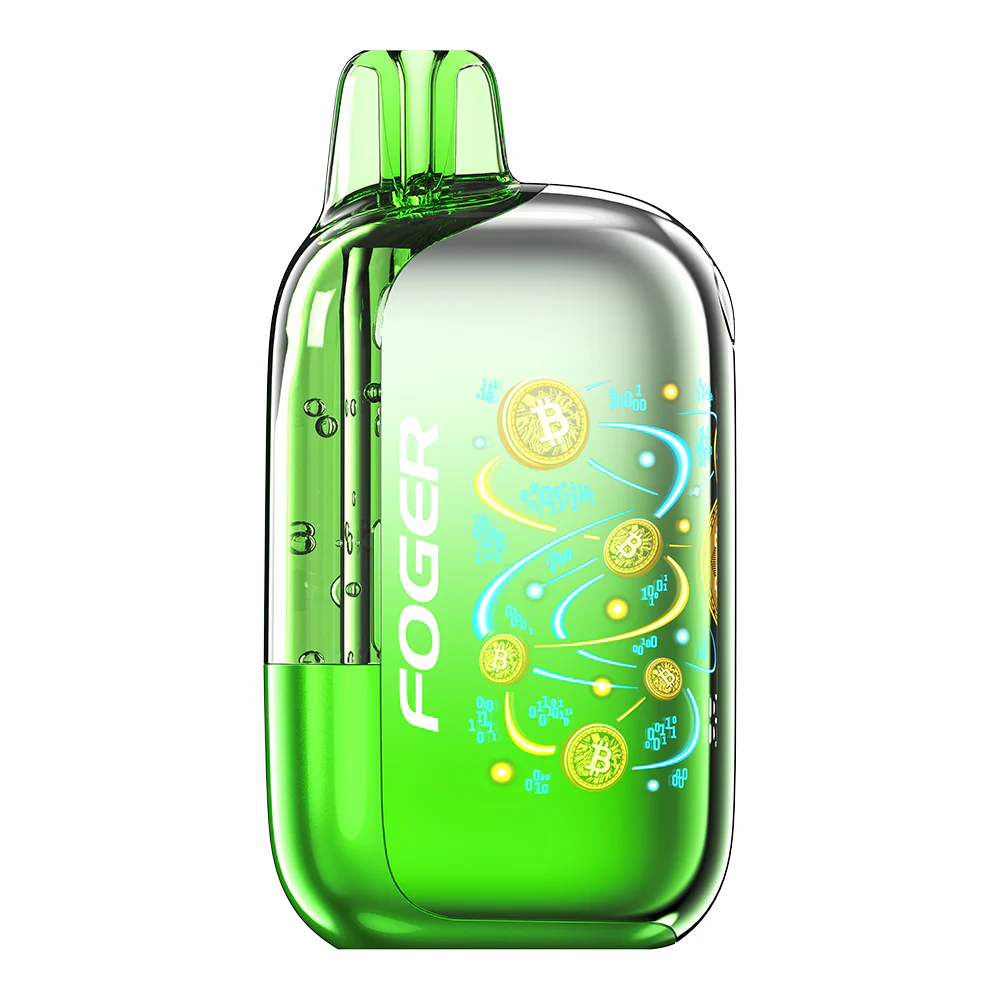
A vape battery and e-liquid indicator combines two pieces of information that should be interpreted independently. The battery section represents available electrical power, while the e-liquid section represents the estimated amount of liquid remaining for vaporization. Modern displays may express these values as percentages, bars, segmented icons, a battery symbol, or a droplet-shaped liquid gauge.
This distinction matters particularly with high-capacity rechargeable disposables. Their internal battery can be charged several times during the useful life of the e-liquid reservoir. A low battery therefore does not necessarily mean the disposable is finished. Likewise, a high battery percentage cannot restore a reservoir that has already been depleted.
Some devices provide both readings directly. For example, a Smart battery-liquid display can show battery and e-liquid status in the same user interface, reducing the need to infer remaining life entirely from vapor output.
Not every disposable uses a full screen. Simpler designs may communicate battery conditions through a single LED. The 12,000-puff disposable kit, for example, uses an LED for battery feedback and supports Type-C charging. This illustrates why users should understand the particular indicator system on their device rather than assuming every display or light behaves the same way.
The clearest electronic clue is a low or empty liquid reading. Depending on the interface, the vape battery and e-liquid indicator may show a declining percentage, fewer illuminated segments, or a nearly empty droplet symbol. Once the liquid reading reaches its final segment, treat the device as being close to the end rather than assuming a precise number of puffs remain.
Liquid indicators are useful status tools, but the displayed value should not be interpreted as a laboratory measurement of the exact volume left around the coil. The usable amount of liquid also depends on how effectively the remaining liquid can reach and saturate the wick.
As the available e-liquid decreases, flavor may become less distinct. A single weak puff is not enough to confirm an empty reservoir because battery charge, airflow, draw duration, and temporary wicking conditions can also affect flavor. A persistent decline that occurs together with a low liquid reading is much more meaningful.
Weak vapor is ambiguous unless the battery is considered at the same time. If the battery indicator is very low, reduced output may simply reflect insufficient power. If the battery has adequate charge but the e-liquid gauge is near empty and vapor remains consistently weak, depleted liquid becomes a more likely explanation.
A dry, or burnt taste can occur when insufficient e-liquid is reaching the heated wick. Do not keep activating the device merely because the screen still shows a small amount of liquid. The remaining liquid may not be reaching the heating area effectively. A persistent dry taste should therefore override the temptation to obtain a few additional puffs.
For a rechargeable disposable, charging provides a useful distinction between battery depletion and e-liquid depletion. If the battery was low, charging should restore the power available to the coil. If the device subsequently shows adequate battery charge but continues to produce little vapor while its liquid indicator is at the bottom of the scale, the e-liquid supply is probably approaching its usable end.
This check applies only to devices specifically designed for recharging. A sealed non-rechargeable disposable should not be modified or connected to an improvised charging arrangement.
No single clue is as useful as a consistent pattern. A nearly empty e-liquid gauge combined with fading flavor and weak vapor provides stronger evidence than any one symptom alone. The vape battery and e-liquid indicator should be treated as part of that diagnostic pattern rather than the sole authority.
One of the most common mistakes is replacing a rechargeable disposable because its battery is low even though substantial e-liquid remains. The opposite mistake is repeatedly charging a device whose liquid has already been depleted. Reading both sides of the vape battery and e-liquid indicator helps prevent this confusion.
What You Observe | Likely Condition | Practical Interpretation |
|---|---|---|
Battery low, e-liquid still available | Battery needs power | If the device is rechargeable, charge it using the method specified for that model before deciding it is empty. |
Battery adequate, e-liquid near zero | E-liquid nearly depleted | Expect the device to be close to the end of its usable liquid supply. |
Battery and liquid appear normal, but vapor is weak | Possible airflow, sensor, coil, or temporary wicking issue | Do not immediately assume the reservoir is empty. Check for obvious external airflow obstruction and follow the device instructions. |
Liquid reading is low and flavor has become persistently dry | Insufficient liquid reaching the wick | Stop using the device rather than relying on the remaining displayed percentage. |
Battery reaches normal charge but the device still gives little or no usable vapor | E-liquid depletion or device fault | Consider both the liquid gauge and the device's age and behavior. Do not disassemble the unit to investigate internally. |
Device is leaking, swollen, damaged, or unusually hot | Abnormal condition | Stop using and charging it. Follow applicable local handling and disposal requirements. |
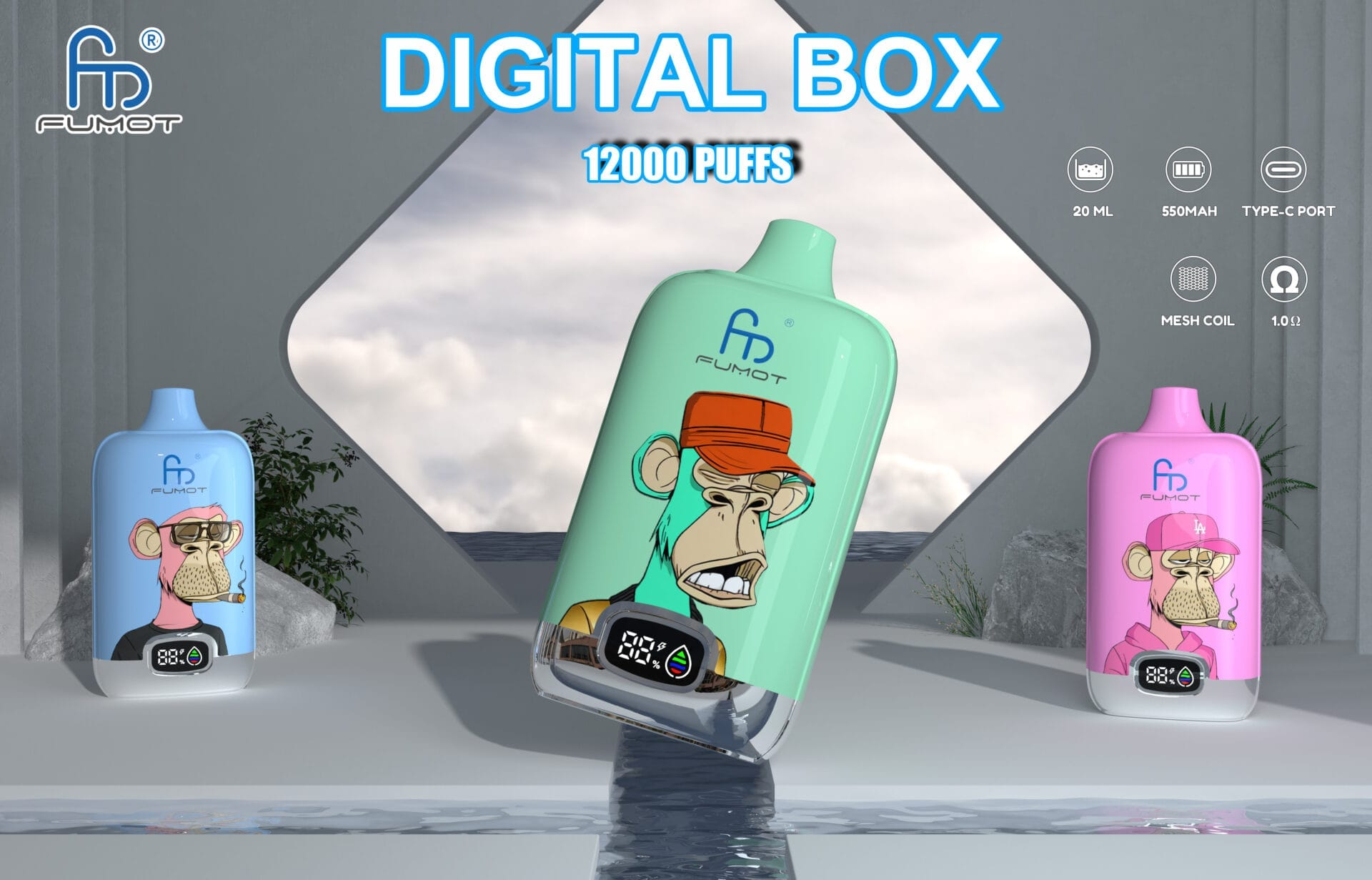
The battery portion of a vape battery and e-liquid indicator tells you about available electrical energy, not how much e-liquid remains. A battery reading that drops during normal use and rises after charging is performing a different job from the liquid gauge. Keep these values separate when troubleshooting weak performance.
A rechargeable device can therefore show a low battery while the liquid gauge still appears relatively full. After an appropriate recharge, the battery level can return to normal while the liquid reading stays approximately where it was.
An e-liquid symbol usually declines as the device consumes its pre-filled liquid. Because disposable systems are sealed, the display gives users information that would otherwise be difficult to obtain visually. The vape battery and e-liquid indicator becomes especially valuable on opaque, high-capacity devices where the reservoir cannot simply be inspected from outside.
The EONYS B 300K screen is one example of a small digital interface used to communicate battery and e-liquid status.
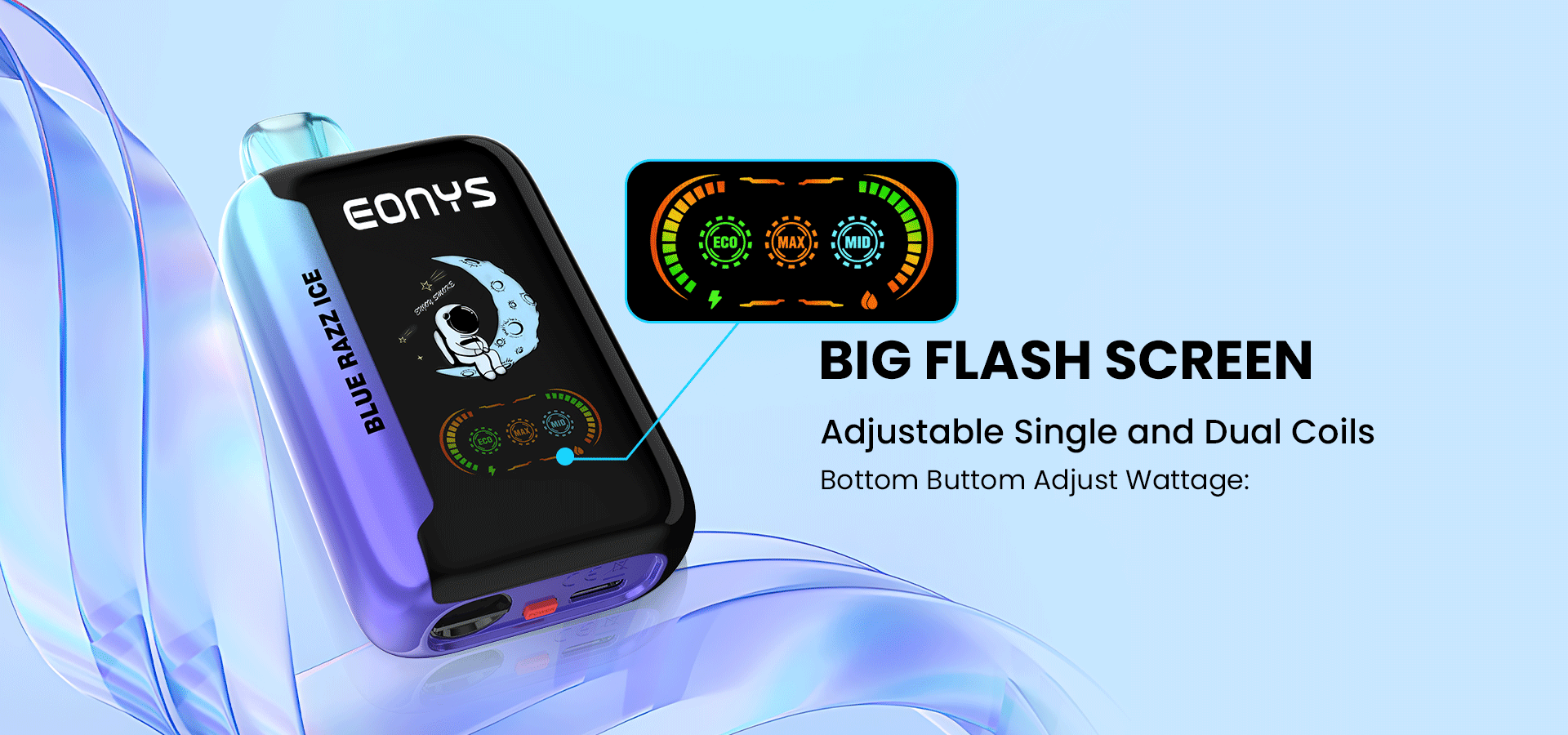
A blinking LED should not automatically be translated as “no e-liquid.” Depending on the design, blinking can communicate low battery, charging status, activation protection, or another operating condition. On a rechargeable device, low battery is particularly easy to confuse with an empty reservoir because both conditions can reduce or stop vapor production.
The device-specific instructions therefore take priority over assumptions based on another product's light pattern. The number, color, and duration of flashes are not universally standardized across disposable vape designs.
A useful vape battery and e-liquid indicator reduces uncertainty, but it does not eliminate every variable inside a disposable system. The reading on the screen and the amount of liquid actually available to the heating area can occasionally diverge.
Puff duration matters. Two users can take the same number of puffs while consuming different amounts of power and e-liquid if one uses substantially longer draws. That is one reason advertised puff counts should be treated as standardized ratings rather than exact personal-use predictions.
Operating mode can change consumption. Where a device provides more than one output mode, a higher-power setting can place different demands on both the battery and e-liquid. An indicator system is more useful when users can evaluate both resources rather than judging remaining life from puff count alone.
Wicking conditions matter. The gauge may estimate that liquid remains while the wick is not receiving enough of it during a particular draw. If performance becomes persistently dry or harsh, the sensory warning is more important than trying to consume every theoretical percentage point shown on the display.
Airflow problems can create a false “empty” diagnosis. Reduced airflow can result in little or no vapor even when both indicator readings appear normal. Check only for obvious external obstruction and follow the supplied operating instructions. Avoid inserting metal objects, puncturing the housing, or opening a sealed device.
A practical confidence hierarchy is therefore: first read the battery and liquid status, then compare those readings with vapor and flavor, and finally consider whether a rechargeable battery behaves normally after an appropriate charge. When all three point toward depleted liquid, the diagnosis is much more reliable.
For distributors, wholesalers, and brand owners comparing disposable vaping devices, the presence of a screen alone is less informative than the way the interface separates and communicates useful status information. Hong Kong Happy Sky Co., Ltd. supplies disposable device formats with different interface and monitoring approaches.
Useful evaluation points include whether battery and liquid are shown separately, whether icons remain readable at low levels, whether a low-battery condition can be distinguished from a low-liquid condition, and what happens on-screen during charging. Buyers should also verify whether the displayed liquid value is a percentage, segmented estimate, or another status format so packaging and product instructions do not imply more precision than the interface actually provides.
Separate status information: battery and e-liquid should be easy to distinguish at a glance.
Low-level readability: the final battery and liquid segments should not be easily confused.
Charging feedback: rechargeable products should communicate charging status clearly.
Consistent interface logic: icons, percentages, and operating modes should remain understandable across the intended product range.
Documented warning behavior: blinking LEDs or screen alerts should have defined meanings in product instructions.
Market-specific compliance review: nicotine labeling, age restrictions, battery information, packaging, and disposal requirements should be checked for the destination market.
These details improve the practical value of a vape battery and e-liquid indicator. They also reduce one of the central usability problems with closed disposable devices: determining whether weak performance comes from available power, remaining liquid, or another operating condition.
Once the e-liquid has reached its usable end, additional charging cannot replenish it. Disposable products that are not designed to be refilled should remain sealed rather than being opened to add liquid. Disassembly can expose the internal battery and residual nicotine-containing liquid.
Do not continue charging or using a device that is leaking, physically damaged, swollen, or becoming unusually hot. Because disposable vapes contain electronic components, batteries, and potentially residual nicotine-containing liquid, disposal requirements may differ from ordinary household waste. Follow the electronic-waste, battery, and nicotine-product disposal rules applicable in the local market.
For rechargeable models, recharge only while there is still usable e-liquid and only in accordance with the product's charging instructions. The purpose of charging is to restore battery energy; it does not extend the e-liquid supply shown by the vape battery and e-liquid indicator.
Knowing when a disposable vape is empty requires separating two resources that decline independently: battery energy and e-liquid. A vape battery and e-liquid indicator provides the clearest starting point, but its reading should be checked against flavor, vapor output, charging behavior, and any persistent dry or abnormal performance. A low battery on a rechargeable device may be temporary; depleted e-liquid is an end-of-life condition. Hong Kong Happy Sky Co., Ltd., a disposable vape manufacturer and supplier, offers device formats with both screen-based and LED-based status systems, making clear indicator design an important consideration for product selection.
A vape battery and e-liquid indicator displays two different device conditions. The battery reading represents remaining electrical power, while the e-liquid reading estimates the remaining liquid supply. A low battery does not automatically mean the e-liquid is empty, particularly on rechargeable disposable vapes.
There may be a small amount of usable liquid around the wick even when a gauge reaches its lowest reading. However, the displayed value should not be treated as permission to continue if the device develops a persistent dry, harsh, or burnt taste. Indicator readings and actual wick saturation do not always change at exactly the same moment.
Check the battery reading first. Low battery power can reduce performance even when e-liquid remains. If the battery and liquid readings both appear normal, restricted airflow, temporary wicking conditions, sensor behavior, or a device fault may be responsible. Avoid opening or modifying a sealed disposable to investigate.
Not necessarily. Blinking patterns vary between products and can indicate low battery or another operating condition. On a rechargeable model, check the battery status and the specific operating instructions before concluding that the e-liquid has been depleted.
Charging only restores energy to a rechargeable battery; it does not restore e-liquid. If the liquid supply has reached its usable end, further charging will not make the disposable usable again. Do not recharge devices that are not specifically designed for recharging, and do not continue using a damaged, leaking, swollen, or unusually hot device.


