WARNING: This product contains nicotine. Nicotine is an addictive chemical.

Views: 0 Author: Site Editor Publish Time: 2026-08-20 Origin: Site


For a distributor or product buyer comparing coil architectures, the decision affects heat distribution, vapor consistency, power demand, e-liquid consumption, and how a disposable device performs as its battery and liquid levels change. A disposable vape mesh coil spreads heat across a wider metal surface than a conventional wound-wire coil. This can support faster ramp-up and more uniform heating, while a regular coil remains a practical option for simpler, lower-output designs. Coil type alone, however, does not determine performance. Resistance, wattage, wick contact, airflow, e-liquid formulation, battery capacity, and device configuration must work together.
Quick Answer: Mesh coils generally provide a larger effective heating area and more even contact with the wick than traditional round-wire coils. That can improve heating consistency and responsiveness in disposable vapes. Regular coils use a wound wire structure and may suit designs where simplicity, lower vapor output, compact construction, or component cost takes priority.
Comparison Point | Mesh Coil | Regular Coil |
|---|---|---|
Heating structure | Thin metal mesh or perforated strip | Round wire wound into a spiral |
Effective surface area | Generally larger | Generally smaller for a comparable compact element |
Heat distribution | Typically more uniform across the wick | More concentrated along the wire path |
Ramp-up | Often fast because of the thin heating structure | Depends strongly on wire gauge and coil mass |
Vapor output potential | Well suited to higher-output designs | Suitable for restrained or lower-output designs |
System requirements | Needs well-matched wicking, airflow, power, and liquid supply | Can be simpler to integrate in basic designs |
A mesh coil replaces the narrow spiral heating wire with a thin metal strip containing many openings. The important difference is not the appearance of the grid itself but the amount and distribution of metal contacting the surrounding wick. With more contact distributed across the cotton or other wicking material, heat can be spread over a broader area instead of concentrating around several narrow lines.
That geometry is particularly relevant to a disposable vape mesh coil because the heating element, wick, liquid reservoir, airflow path, sensor, and battery are assembled as a closed system. Users cannot normally replace the coil or manually correct poor wicking. The atomization structure therefore needs to remain reasonably stable throughout the intended service life of the device.
A regular coil uses a single wire, or sometimes multiple wires, formed into a spiral. Current flows through the wire and produces heat, which transfers into the surrounding saturated wick. Traditional coils can work effectively when resistance, wire mass, wick density, airflow, and power are correctly matched. Their simpler geometry can also be useful in compact products designed around restrained vapor output rather than maximum heating area.
The difference does not mean that every mesh design automatically performs better than every regular coil. A poorly matched mesh element can still suffer from inadequate liquid supply, excessive power, uneven wick contact, condensation, or premature flavor decline. Conversely, a carefully engineered regular coil may perform consistently within its intended operating range.
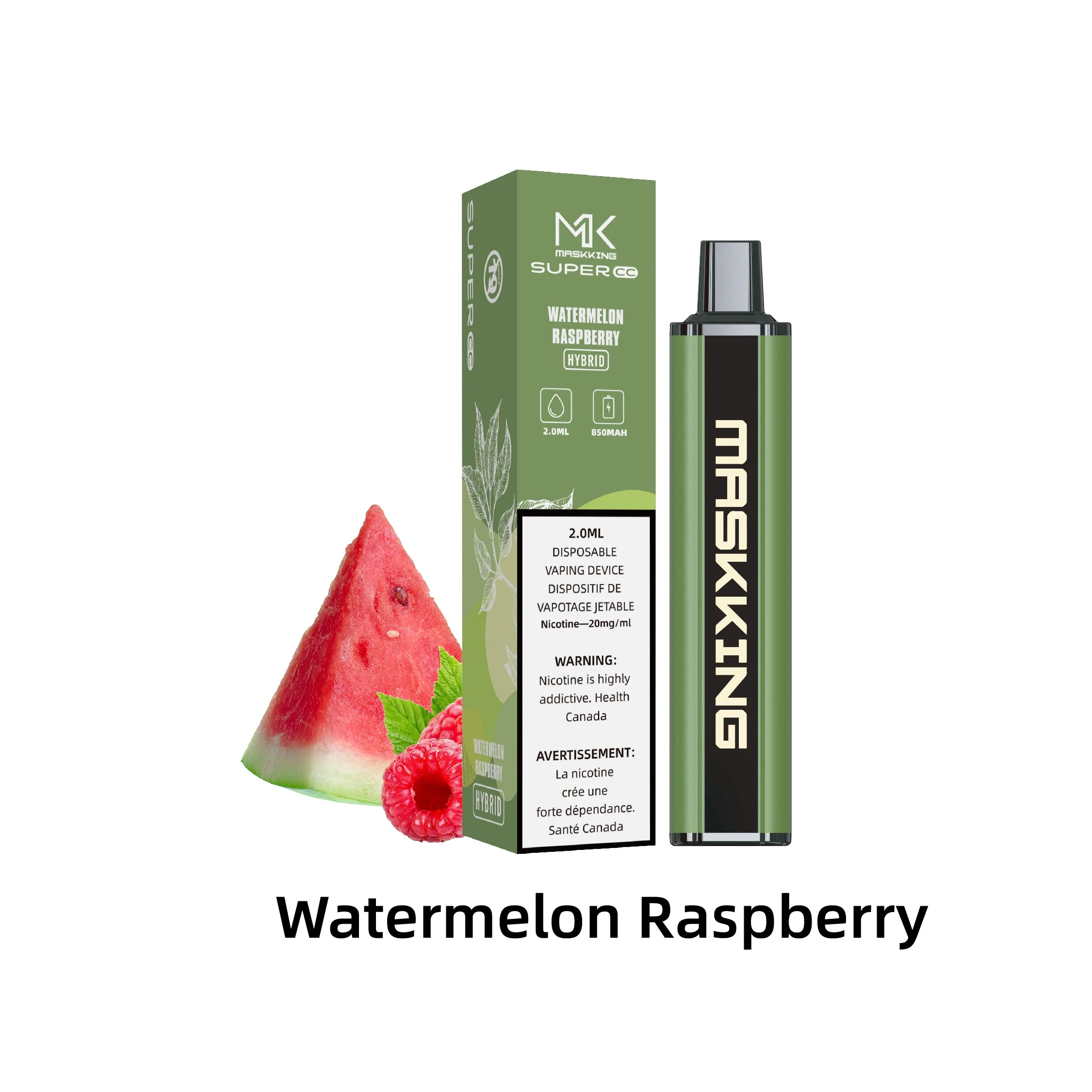
A compact portable mesh coil vape illustrates why buyers should evaluate the heating system together with device size, power delivery, airflow arrangement, battery configuration, and draw activation rather than treating the coil as an isolated specification.
The most useful comparison is not simply “mesh produces more vapor.” Buyers need to understand why the difference occurs and what trade-offs may follow.
Mesh normally exposes more heating surface to the wick within a compact space. Current is distributed across this wider structure, which can reduce localized hot spots when the wick is correctly saturated. Regular coils concentrate heating along the wound wire. This does not automatically create a problem, but wick contact and coil positioning become especially important when power increases.
More even heating is one reason a disposable vape mesh coil can maintain relatively consistent atomization across repeated draws. However, coil geometry cannot compensate for a wick that is dry, compressed incorrectly, contaminated, or unable to replenish liquid quickly enough.
Mesh elements can have a favorable surface-area-to-mass relationship. A thin mesh strip may respond quickly when power is applied, helping the device reach its operating condition shortly after draw activation. Traditional coils can also ramp quickly, but their response depends heavily on wire diameter, material, resistance, number of wraps, and total coil mass.
For disposable devices, responsiveness matters because activation may be controlled by an airflow sensor rather than a manual firing button. The coil and power circuit need to reach usable output within the short duration of a normal draw.
A larger active heating area creates the potential to vaporize more liquid during a draw, but this does not mean every mesh device automatically consumes more e-liquid. Consumption is also affected by wattage, puff duration, airflow, coil resistance, e-liquid formulation, and whether one or multiple heating elements are operating.
A low-power mesh design may consume less liquid than a high-power regular-coil configuration. The correct sourcing question is therefore not “Does mesh use more juice?” but “How much liquid does this complete atomization system consume at its specified operating power?”
Mesh is sometimes described as inherently more battery efficient. That statement is too broad for purchasing decisions. Fast heating and low element mass can improve response efficiency, but actual battery drain is determined by electrical power and operating time. A high-output dual-mesh system can draw more energy per puff than a modest single regular coil.
Battery capacity, rechargeability, output regulation, coil resistance, and wattage should therefore be reviewed together. An adjustable-airflow mesh vape also demonstrates another variable: airflow changes how much cooling air passes the coil and can alter perceived warmth, vapor density, and condensation behavior even when the heating element remains unchanged.
For B2B procurement, one of the biggest specification mistakes is treating “mesh coil” as a complete performance guarantee. The coil is only one part of the atomization system. Several other parameters can change the result significantly.
The wick must maintain close contact with the heating surface while supplying enough e-liquid during repeated draws. If liquid replenishment is slower than vaporization, part of the wick can become insufficiently saturated. A wider mesh surface may actually make wick design more important because a larger area must remain evenly supplied.

Resistance should never be compared by itself. Two coils with the same resistance can use different materials, dimensions, surface areas, and thermal masses. Buyers should request the intended operating wattage or output profile together with coil resistance. Excessive power can increase liquid consumption and thermal stress, while insufficient power may produce weak or inconsistent atomization.
Airflow removes heat, carries aerosol through the device, and influences draw resistance. Restricting airflow can change coil temperature and condensation patterns. Increasing airflow may cool the atomization zone but can also change vapor concentration and the user’s draw behavior. The coil, air inlet, chimney, mouthpiece, and condensation-management structure should therefore be considered as one pathway.
Dual-mesh designs can increase available heating area or allow different operating modes, but “dual” is not automatically superior to “single.” The benefit depends on how the two elements are powered. Simultaneous activation may raise output and energy consumption, while alternating or selectable operation can produce different performance characteristics.
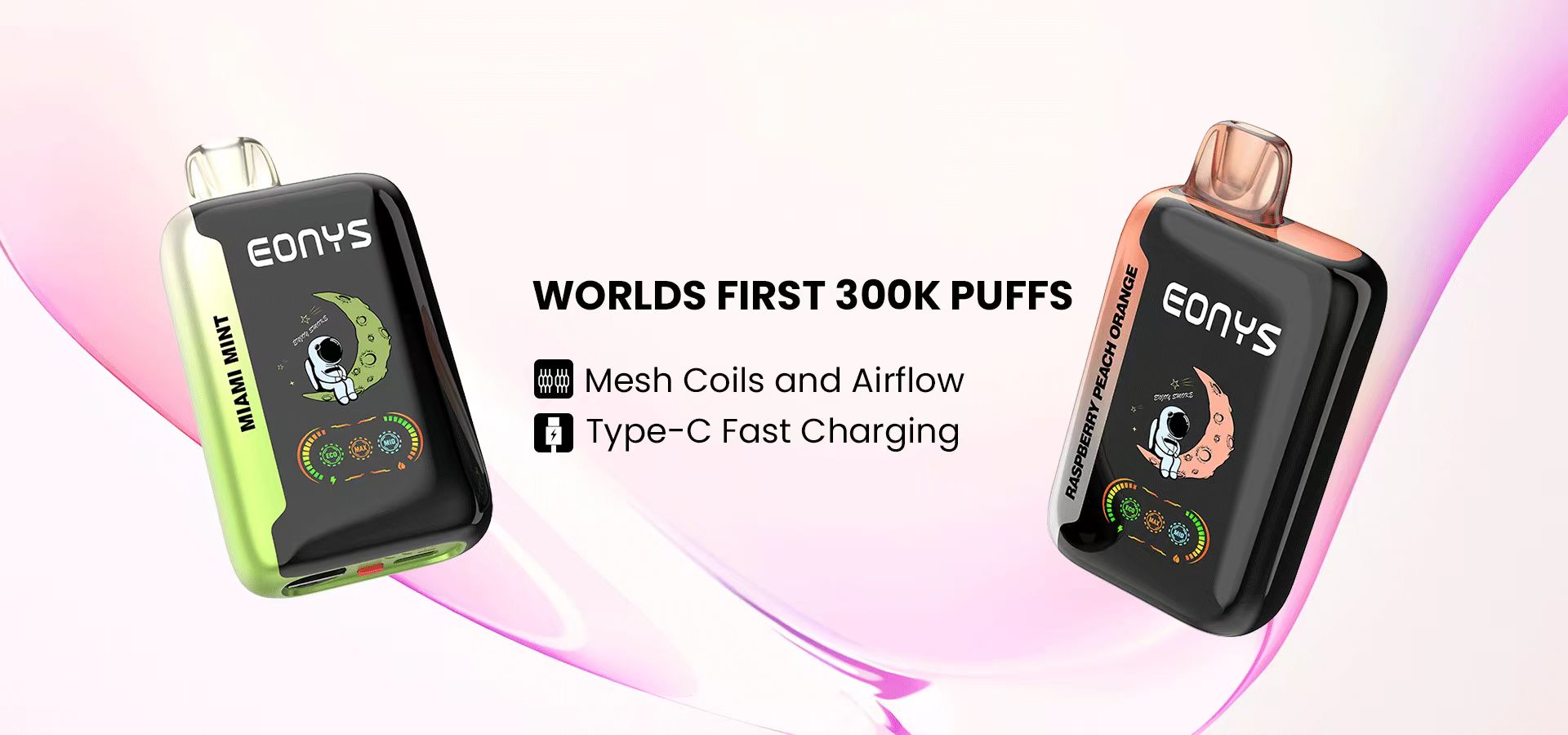
A digital-screen mesh vape combines coil configuration with adjustable operating features and status monitoring. For buyers, this is a useful reminder that the coil specification should be reviewed alongside the control system rather than evaluated independently.
Mesh is increasingly practical for disposable products designed around responsive heating and consistent output, but a regular coil can still make sense when the product specification prioritizes simplicity. The decision should begin with the intended device architecture and market requirement, not with a technology label.
Design Requirement | Mesh Coil May Be More Suitable | Regular Coil May Be More Suitable |
|---|---|---|
Fast response after draw activation | Yes, especially with a thin, low-mass mesh structure | Possible with appropriately designed low-mass wire |
Broad wick contact | Usually advantageous | More dependent on wire placement and wick fit |
Higher vapor-output target | Often well suited | Possible, but may require more complex wire construction |
Simple low-output device | Can work, but may be unnecessary | Can be a practical design choice |
Multiple power modes | Can pair well with single/dual mesh configurations | Depends on the specific coil architecture |
Lowest possible component complexity | Not always the priority choice | Simple round-wire construction may be appropriate |
For distributors comparing disposable vaping devices, the more useful approach is to define target draw characteristics, expected output, battery strategy, device size, airflow, liquid capacity, and intended service duration before selecting the coil architecture.
A disposable vape mesh coil is especially worth considering when consistent wick coverage and responsive atomization are priorities. A regular coil may remain sufficient for a compact, modest-output product where the additional heating area of mesh offers little practical advantage.
A disposable vape mesh coil generally offers a larger effective heating surface and more distributed wick contact than a traditional wound-wire coil, making it well suited to designs that prioritize responsive and consistent atomization. Regular coils can still be appropriate for simpler or lower-output devices. Buyers should avoid choosing solely from the coil label: resistance, wattage, wicking, airflow, battery configuration, liquid supply, and single- or dual-coil logic determine how the complete system performs. Hong Kong Happy Sky Co., Ltd. manufactures disposable vaping devices with multiple mesh-coil configurations for different product architectures and operating requirements.
No. Mesh usually provides more heating area and more distributed wick contact, but the result depends on power, resistance, airflow, wicking, and liquid supply. A well-designed regular coil can be suitable for a simpler, lower-output disposable device.
Not automatically. Mesh can support higher vapor output because of its larger active area, and higher output normally requires more liquid. However, actual consumption depends on wattage, puff duration, airflow, resistance, and the number of active heating elements.
A thin mesh structure can heat quickly, but battery consumption is determined by total electrical power and activation time. A high-output or dual-mesh device may consume more energy per draw than a lower-power regular-coil device.
Even heat distribution can help reduce localized hot spots, but mesh cannot prevent every dry condition. Adequate wick saturation, correct operating power, unrestricted liquid transfer, suitable airflow, and remaining e-liquid are still necessary.
Dual mesh provides additional configuration possibilities, but its value depends on the control logic and power target. Buyers should confirm whether both coils fire together, alternate, or operate through selectable modes and how each mode affects battery and e-liquid consumption.
Request coil type, heating material, resistance, intended wattage or output range, single- or dual-coil configuration, airflow design, battery configuration, liquid capacity, wicking structure, activation method, and relevant market-specific compliance documentation. These specifications provide a more meaningful comparison than coil type alone.


