WARNING: This product contains nicotine. Nicotine is an addictive chemical.

Views: 0 Author: Site Editor Publish Time: 2026-08-22 Origin: Site


Matching vape coil resistance and wattage is not as simple as choosing one wattage for every 0.8-ohm, 0.6-ohm, or 0.4-ohm coil. Resistance affects how electrical power behaves at the heating element, but coil material, surface area, mesh geometry, airflow, wicking, liquid formulation, and device electronics also change the usable power range. For buyers comparing vape hardware, this distinction matters: two coils with the same resistance can require different wattages and produce noticeably different thermal behavior. The most reliable matching method is therefore to treat resistance as one specification within a complete coil-and-power system rather than as a standalone wattage calculator.
Quick Answer
Lower coil resistance generally supports higher-current, higher-power designs, while higher resistance is commonly associated with lower-power operation. However, resistance does not define a universal wattage. The correct wattage is the validated operating range for the specific coil, wick, airflow system, battery, and control circuit. With adjustable devices, begin within the specified range rather than calculating a higher setting from resistance alone. With preset or disposable devices, the coil and power output should already be engineered as a matched system.
Matching at a Glance
Resistance Category | General Power Tendency | Typical Design Priority | What Buyers Should Verify |
|---|---|---|---|
1.0Ω and above | Lower power | Cooler operation and lower energy demand | Rated wattage, airflow, draw style, and liquid compatibility |
0.6–0.9Ω | Low to moderate power | Balance between vapor output and efficiency | Coil geometry, wick supply, airflow, and device output |
0.3–0.5Ω | Moderate to higher power | Higher heat flux and vapor production | Battery capability, airflow volume, liquid feed, and thermal control |
Below 0.3Ω | Generally higher power | High-output heating systems | Exact coil rating, regulated-device compatibility, current demand, and temperature management |
These categories describe general tendencies, not universal wattage prescriptions. A printed or validated coil power range should always take priority over a resistance-based chart.
Coil resistance, measured in ohms (Ω), describes opposition to electrical current. Wattage describes electrical power delivered to the heating system. Together they influence how quickly the coil heats and how much thermal energy is available to vaporize liquid.
Basic electrical relationships help explain why resistance matters. Power can be expressed as P = V²/R when voltage and resistance are known. At the same voltage, reducing resistance increases calculated power. In a regulated vape, however, the control circuit can change voltage to maintain the selected wattage, so resistance does not independently dictate the final output.
This is why a resistance number should not be interpreted as a complete operating specification. A 0.8Ω mesh coil and a 0.8Ω conventional wire coil can differ substantially in surface area, metal mass, heat distribution, and liquid contact. Their optimal wattage ranges may therefore be different even though a resistance meter shows the same value.
Wattage mainly determines the rate of energy delivery. Increasing it within an approved range generally raises coil temperature more quickly and can increase vapor output. Excessive power can outpace the wick's ability to replenish liquid, creating overheating or a dry, burnt sensation. Too little power may leave the coil below its intended operating temperature, resulting in weak vaporization or excess liquid accumulating around the heating chamber.
A common vape coil resistance wattage mistake is using a generic ohm-to-watt table as if every coil were electrically and thermally identical. Ohm's law describes the electrical relationship, but the practical heating system contains several additional variables.
A large heating surface can distribute power differently from a small wire coil. Mesh structures are especially relevant because the heating element spreads across a broader area rather than concentrating heat along a narrow wire. Two mesh constructions with identical nominal resistance may still use different strip dimensions, perforation patterns, materials, or thermal mass.
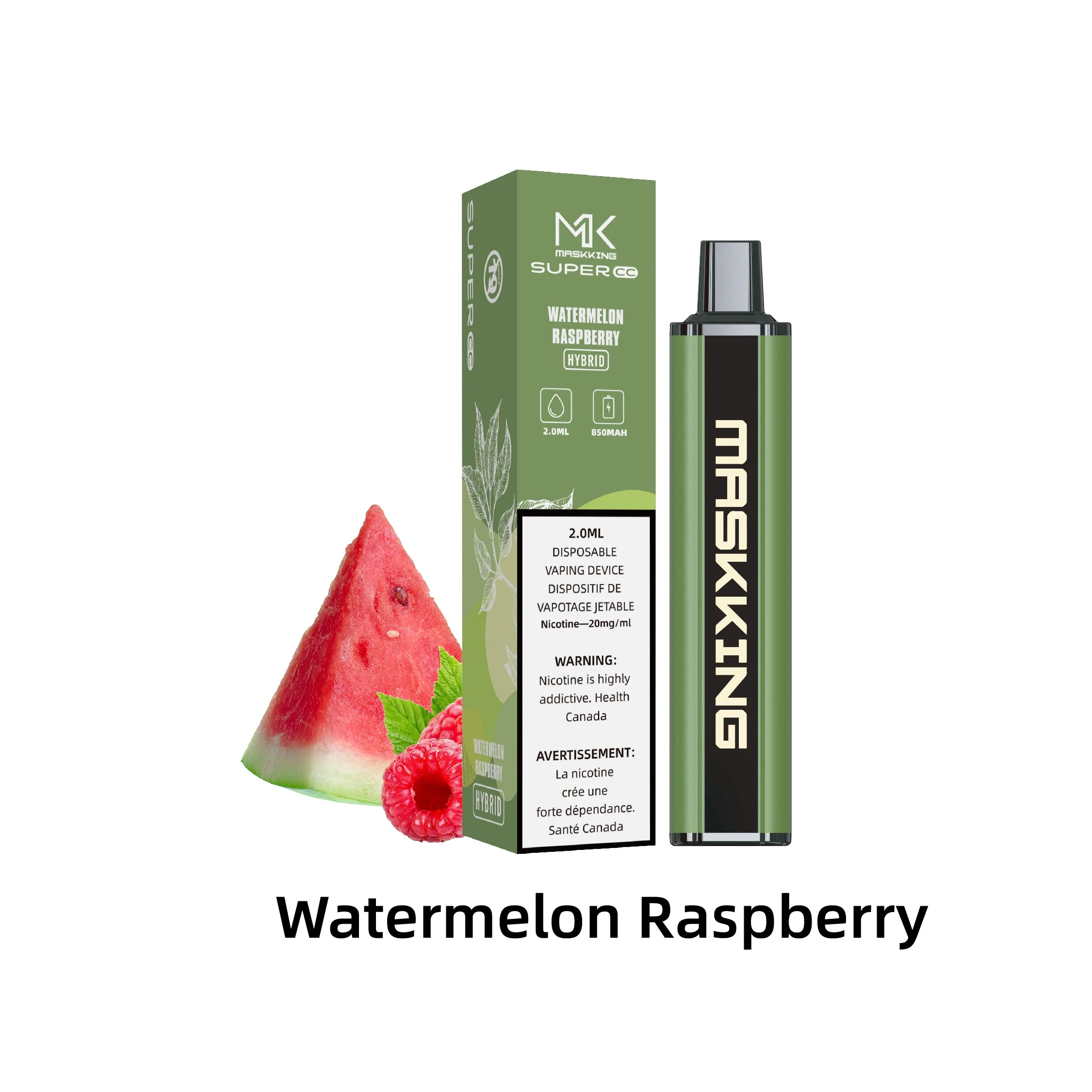
For example, the Portable Mesh Coil Kit uses an integrated mesh-coil design and a specified 10–15W operating range. That power specification is more useful for matching than assuming a wattage from resistance alone.
The wick must continuously replace the liquid vaporized at the heating surface. Higher power increases evaporation demand. If the coil can generate heat faster than liquid reaches it, the wick can become temporarily dry. Coil resistance cannot reveal wick density, liquid-channel dimensions, saturation speed, or reservoir pressure, so it cannot predict this limit by itself.
Airflow removes heat from the coil while carrying aerosol away from the heating chamber. More open airflow can support a different thermal load than a restricted passage. This is one reason wattage, airflow, and coil design should be evaluated together. Raising wattage without sufficient airflow may produce excessive heat even when the electrical resistance remains unchanged.
Wire composition, thickness, length, mesh dimensions, and total metal mass affect heat-up time and temperature response. Resistance measures an electrical property; it does not directly measure how much metal must be heated or how efficiently that heat reaches the liquid.
The safest practical approach starts with the complete product specification rather than a generic chart. This is particularly important for OEM buyers comparing coils from multiple platforms, because nominal resistance alone does not demonstrate interchangeability.
Use the coil or device's validated wattage range as the primary numeric limit. For a regulated adjustable device, that range should define the usable window. Do not increase power beyond it simply because an online resistance chart suggests a higher number.
Beginning toward the lower end reduces the initial thermal load on a newly saturated coil. Power can then be adjusted gradually while remaining inside the specified range. Large jumps in wattage make it harder to distinguish normal performance changes from insufficient wicking, restricted airflow, or a defective coil.
Higher thermal output usually requires enough airflow to cool the heating chamber and transport vapor. A restricted airflow path paired with aggressive power can create unnecessary heat. Conversely, very open airflow at low power can dilute the output and make the device feel underpowered.
Liquid viscosity, wick design, inlet size, and heating-area coverage affect how quickly the coil can remain saturated. The correct vape coil resistance wattage combination therefore depends partly on whether liquid supply can keep pace with evaporation.
Wattage is ultimately supplied by the battery and electronics. The device must be designed to handle the requested output without exceeding electrical or thermal limits. For commercial products, buyers should verify output modes, protection functions, battery specification, charging design, and coil compatibility as a group rather than comparing battery capacity alone.
Mesh increases heating-area coverage and can distribute energy more evenly across the wick. However, “mesh coil” is not one standardized electrical design. Resistance, mesh dimensions, material, airflow, and power control must still be specified together.
Multiple heating elements make nominal resistance more complicated. The total resistance seen by the control board depends on how elements are configured electrically, while the total heating area and power distribution depend on coil construction. A buyer should therefore request the finished device's nominal resistance and approved output rather than estimating performance from the resistance of an individual element.
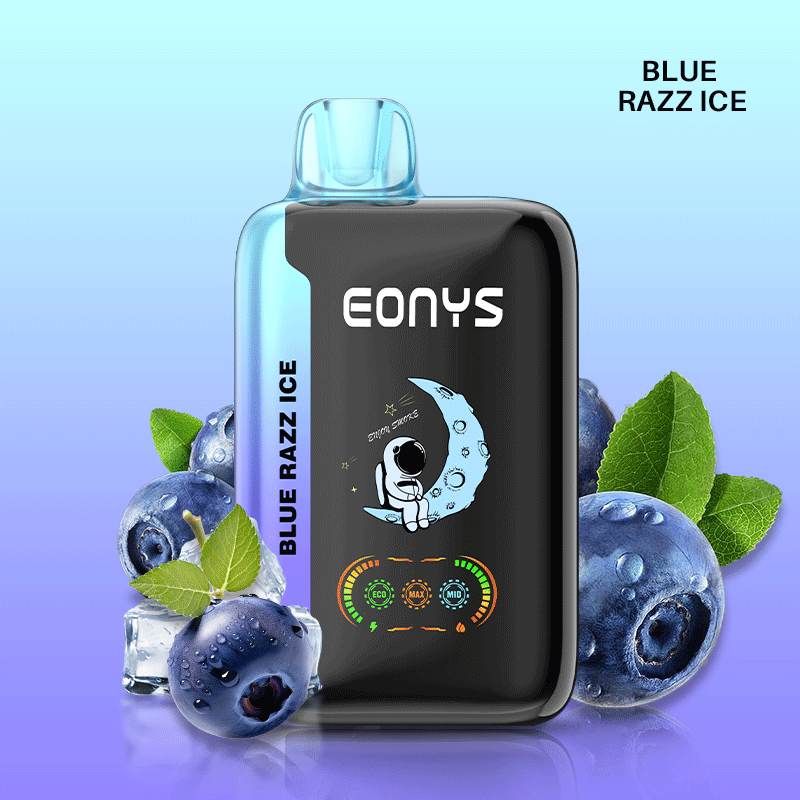
The EONYS B 300K Device illustrates another approach: its product configuration includes selectable 14W, 16W, and 22W operating modes together with single- or dual-coil options and adjustable airflow. In this type of system, buyers should evaluate the defined mode, coil configuration, and airflow as one package rather than searching for a separate universal resistance-to-wattage setting.
In a preset device, users may have little or no direct control over wattage. The power electronics, coil, airflow, and liquid-delivery system are intended to operate as an integrated configuration. From a procurement perspective, consistency therefore depends on factors such as coil-resistance tolerance, output stability, battery condition, and production control—not simply the nominal resistance printed in a specification sheet.
Performance symptoms can help identify whether power is unsuitable, but they should be interpreted carefully because the same symptom can have more than one cause.
Symptom | Possible Cause | What to Check |
|---|---|---|
Burnt or unusually dry output | Power too high, insufficient saturation, restricted liquid supply, or poor airflow | Stop firing, confirm rated wattage, wick saturation, airflow, and liquid feed |
Weak or unusually cool output | Power below the intended range, low battery condition, or poor electrical contact | Confirm approved power setting and device status |
Excessive heat at the device | High thermal load, repeated activation, airflow restriction, or electrical fault | Stop use if abnormal; inspect airflow and device condition rather than increasing power further |
Gurgling or liquid accumulation | Coil operating too cool, flooding, condensation, or pressure imbalance | Check device orientation, airflow path, operating range, and liquid system |
Rapid battery depletion | Higher power demand, frequent activation, battery aging, or charging issue | Compare wattage mode with battery specification and normal operating condition |
Resistance reading changes unexpectedly | Loose connection, damaged coil, contamination, or electrical fault | Stop using the device if readings are unstable and inspect or replace the affected component |
For wholesale, private-label, or OEM projects, a complete specification reduces the risk of choosing a coil that appears compatible on paper but performs differently in the finished device. Buyers reviewing Disposable Vaping Devices should request enough information to understand the complete heating and power platform.
Specification | Why It Matters | Common Purchasing Mistake |
|---|---|---|
Nominal coil resistance | Defines an important electrical characteristic | Using it as the only basis for selecting wattage |
Resistance tolerance | Shows expected unit-to-unit variation | Comparing only the nominal value |
Rated or preset wattage | Defines intended electrical power | Assuming a generic resistance chart replaces validation |
Mesh or wire construction | Affects heating area and thermal response | Treating all coils with the same ohms as equivalent |
Single or multiple coils | Changes total resistance and power distribution | Confusing individual-element resistance with total device resistance |
Airflow configuration | Controls cooling and draw characteristics | Increasing output without considering airflow |
Battery and output electronics | Determine available power and electrical protection | Comparing battery mAh as if it were a wattage rating |
Liquid and wick compatibility | Determines whether liquid delivery can support the thermal load | Ignoring viscosity and saturation behavior |
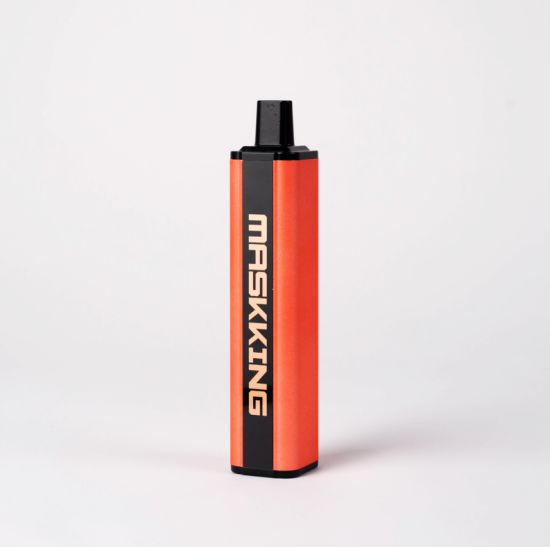
A product such as the High-Performance Disposable Vape combines rechargeable battery hardware, selectable single- or dual-coil configurations, rotating airflow, and variable-power functionality. For procurement, these parameters should be reviewed together because changing one part of the system can change the appropriate thermal and electrical balance.
The key to matching vape coil resistance and wattage is to avoid treating resistance as a standalone power setting. Lower resistance often appears in higher-output designs, but coil geometry, mesh area, wick supply, airflow, battery capability, and control electronics determine the actual usable wattage. For adjustable products, stay within the validated coil range and change power gradually. For preset disposable systems, evaluate the coil and output as an integrated design. Hong Kong Happy Sky Co., Ltd., a vape device manufacturer and supplier, offers mesh-coil and variable-output device configurations in which these specifications can be considered together during product evaluation.
```
There is no universal combination based only on resistance. The correct wattage is the approved operating range for the specific coil and device. Coil material, heating area, airflow, wick design, liquid supply, and electronics can make two coils with the same resistance require different power levels.
Lower resistance is commonly used in higher-power designs, but it does not automatically require a particular wattage. A regulated device can adjust voltage to produce a selected power level, and different coil constructions can operate at different wattages despite having similar resistance.
Yes. Resistance describes electrical opposition, not total heating area, thermal mass, wick capacity, or airflow. A 0.8Ω mesh coil and a 0.8Ω conventional coil may therefore have different approved wattage ranges.
The electrical definition of resistance is the same. What changes is the physical heating structure. Mesh can provide a larger heating surface and different heat distribution, so its useful wattage depends on the specific mesh dimensions, material, wick contact, and airflow design.
Insufficient saturation, restricted liquid flow, airflow problems, an aged or damaged coil, repeated activation, or an unsuitable liquid can cause overheating even within the stated wattage range. Stop using the device if abnormal heat, damage, or unstable electrical behavior is present.
No. mAh primarily describes battery capacity, not the wattage a complete device can safely deliver. Output capability also depends on battery chemistry, current limits, voltage, control circuitry, protection functions, and the coil configuration.


