WARNING: This product contains nicotine. Nicotine is an addictive chemical.

Views: 0 Author: Site Editor Publish Time: 2026-04-03 Origin: Site


As vape device technology continues to evolve, manufacturers are exploring new designs that focus on functionality, convenience, and device efficiency. One design that has gained attention in recent years is the dual tank vape system. Unlike traditional single-tank vape devices, a dual-tank configuration integrates two separate reservoirs within one device.
For readers researching all-in-one vape devices, dual chamber vape technology, or multi-tank vape systems, understanding how this design works can provide helpful insight into how modern devices are engineered. Rather than focusing on promotional claims, it is useful to examine the technical structure, usage flexibility, and design considerations that differentiate dual tank vape devices from more conventional setups.
WARNING: This product contains nicotine. Nicotine is an addictive chemical.
An all-in-one vape device refers to a compact system where several essential components are integrated into a single unit. These typically include the battery, heating element, airflow channel, and liquid reservoir.
In a traditional single-tank vape system, the device contains one reservoir that holds e-liquid or vape oil. When the device is activated, a heating coil vaporizes the liquid, creating an aerosol that travels through the airflow channel to the mouthpiece.
Typical components of an all-in-one vape device include:
Rechargeable battery
Heating coil or ceramic atomizer
Liquid reservoir or cartridge
Airflow control structure
Mouthpiece
The design goal of most all-in-one vape systems is simplicity. By combining all parts into a compact device, users do not need to assemble multiple components.
The primary difference between single-tank and dual-tank vape devices is the number of reservoirs available.
| Device Type | Tank Count | Typical Design Purpose |
|---|---|---|
| Single tank vape | One reservoir | Standard liquid storage |
| Dual tank vape | Two separate reservoirs | Allows separation of different liquids |
In a dual-tank configuration, the device houses two independent chambers that can contain separate liquids. This structural change introduces additional flexibility in how the device operates.
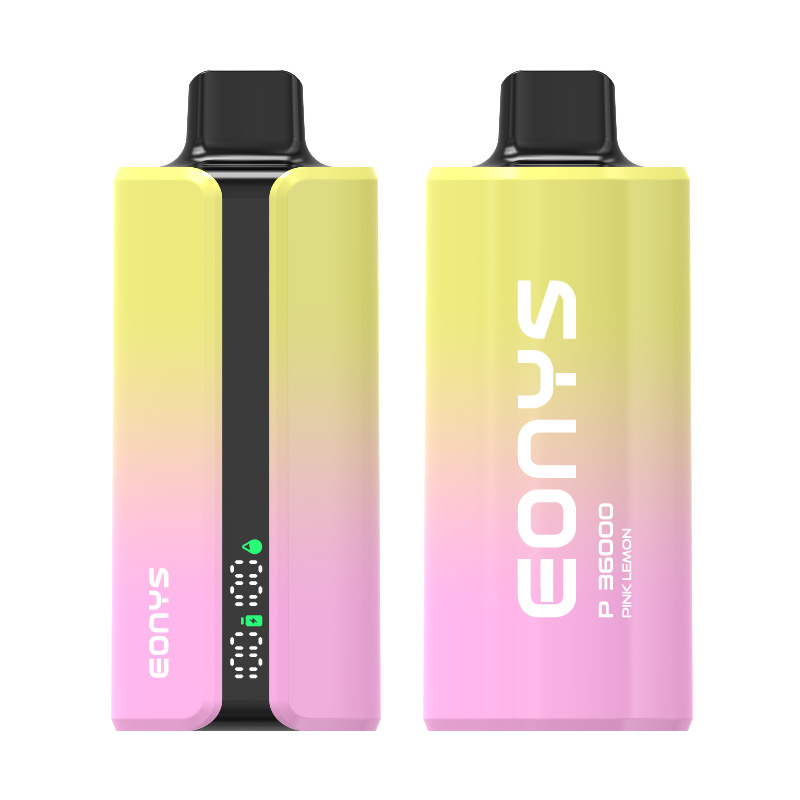
A dual tank vape device typically contains two independent liquid reservoirs, each connected to its own heating element or shared heating system depending on the device design.
While configurations may vary, most dual tank systems operate through one of the following mechanisms:
| System Type | How It Works |
|---|---|
| Switchable tank system | User selects which tank is active |
| Dual-coil system | Each tank connects to its own coil |
| Blend system | Liquids from both tanks may combine during vaporization |
In many devices, a switch mechanism allows the user to change which tank is being used without needing to refill or replace the cartridge. This means that two separate liquids can remain stored in the device simultaneously.
A simplified process for how a dual tank vape device may operate:
Liquid stored in two separate reservoirs
Device activates heating element
Selected tank feeds liquid to coil
Liquid vaporizes into aerosol
Aerosol travels through airflow channel
Some newer dual chamber vape devices allow switching between tanks through a rotating mouthpiece, button control, or airflow selector.
The purpose of this design is largely related to device versatility and liquid management.
The concept behind a dual tank vape system is not simply adding another chamber. The design introduces several structural advantages that may affect how the device is used or maintained.
A dual-tank design allows two different liquids to remain stored in the device without mixing.
This may allow for:
Switching between two liquid types
Maintaining different flavor profiles
Separating nicotine strengths or formulations
| Feature | Single Tank | Dual Tank |
|---|---|---|
| Liquid capacity | One reservoir | Two reservoirs |
| Liquid separation | Not possible | Maintained |
| Switching capability | Limited | Possible |
Because each tank remains independent, liquids remain isolated until selected by the user.
A multi-tank vape device can offer more operational flexibility compared to a single-reservoir system.
For example, a device with two tanks may allow:
Switching between liquids without refilling
Alternating usage between reservoirs
Reducing the need to carry multiple devices
These design features may be particularly relevant in compact all-in-one devices, where space efficiency is important.
In some cases, a dual-tank vape device may effectively double the total liquid capacity stored in the device.
| Tank Setup | Approximate Capacity Example |
|---|---|
| Single tank | 2 mL |
| Dual tank | 2 mL + 2 mL |
Although actual usage duration varies based on puff behavior, device power, and liquid viscosity, having two reservoirs may reduce the frequency of refilling or cartridge replacement.
The introduction of dual chamber vape technology also reflects broader trends in vape hardware development.
Recent device innovations often focus on:
Improved airflow systems
Ceramic coil technology
Compact battery integration
Multi-liquid compatibility
By incorporating two tanks within one device, manufacturers explore new ways to enhance device functionality while maintaining a portable format.
Consumer preferences and regulatory environments continue to influence vape device engineering.
Some current industry design trends include:
Smaller cartridge capacities
Simplified all-in-one device structures
More versatile liquid management systems
Within this context, dual tank vape devices represent one possible approach to adapting hardware design while keeping devices compact.
The dual tank vape design represents an interesting development in the evolution of all-in-one vape devices. By integrating two separate liquid reservoirs, these systems offer an alternative approach to managing vape liquids within a single compact unit.
Compared with traditional single-tank vape devices, a dual chamber configuration introduces additional flexibility in how liquids are stored and accessed. Depending on the device structure, users may be able to switch between tanks, store different liquids separately, or increase overall reservoir capacity.
From a design perspective, dual tank technology reflects broader trends in vape hardware innovation, including improved heating systems, compact device engineering, and more adaptable liquid storage solutions.
For individuals researching vape device structures, dual chamber vape systems, or all-in-one vape technology, understanding how these devices operate provides useful context for evaluating different hardware designs.
A dual tank vape device is a type of all-in-one vape system that contains two separate liquid reservoirs within the same device. Each tank can store liquid independently.
A two-tank configuration allows liquids to remain separated while stored in the same device. Depending on the design, users may be able to switch between tanks or maintain two different liquids.
In many cases, yes. If each reservoir holds the same capacity as a standard tank, a dual tank vape device may store approximately twice the liquid volume compared to a single tank system.
Yes. A dual tank system refers to two separate liquid reservoirs, while a dual coil system refers to two heating elements used for vaporization. Some devices may incorporate both designs.
While single-tank devices remain widely used, dual chamber vape designs have become more visible as manufacturers experiment with new hardware configurations and multi-liquid systems.


