WARNING: This product contains nicotine. Nicotine is an addictive chemical.

Views: 0 Author: Site Editor Publish Time: 2026-08-23 Origin: Site


A smart display disposable vape replaces much of the guesswork associated with a basic indicator-light device. Instead of relying only on a blinking LED, a screen-equipped model may show battery status, remaining e-liquid, charging progress, operating mode, or other device information. The screen is useful only when those readouts are clear, relevant, and supported by the rest of the hardware. Buyers should therefore evaluate the display together with battery capacity, charging design, coil configuration, airflow, operating modes, and the way each indicator is calculated. A larger or more colorful screen does not automatically mean better vaping performance.
A smart display disposable vape is a disposable or rechargeable-disposable device with an integrated screen that communicates operating information to an adult user. Battery and e-liquid indicators are the most practical functions. Some models also show charging status or power modes. The screen itself does not produce vapor, improve coil efficiency, or guarantee a particular puff count; it is primarily an information and control interface.
The meaning of a vape smart screen depends on the individual model. There is no universal screen layout shared by every disposable device. One product may display two simple gauges, while another may add mode information, animations, numerical percentages, or control feedback.
For most smart display disposable vape designs, the useful information falls into a few categories:
Screen Readout | Typical Meaning | What to Verify |
|---|---|---|
Battery icon or percentage | Estimated remaining battery charge | Whether the display changes during charging and normal use |
Droplet or liquid gauge | Estimated remaining e-liquid | Whether the value is measured or calculated from usage |
Charging animation | The device detects a charging connection | How full-charge status is indicated |
Mode label | Current operating or output setting | How the mode affects output, battery use, and liquid consumption |
Puff-related number | Usage counter or estimated remaining usage on supported models | Whether it is a counter, estimate, or marketing-rated puff figure |
Warning symbol | Possible charging, activation, battery, or circuit condition | The model-specific manual and troubleshooting instructions |
A practical example is the Smart LED Vape Kit, which combines a rechargeable battery with an LED interface showing battery and e-liquid status. Its dual-coil and draw-activated functions are separate hardware characteristics rather than benefits created by the display itself.
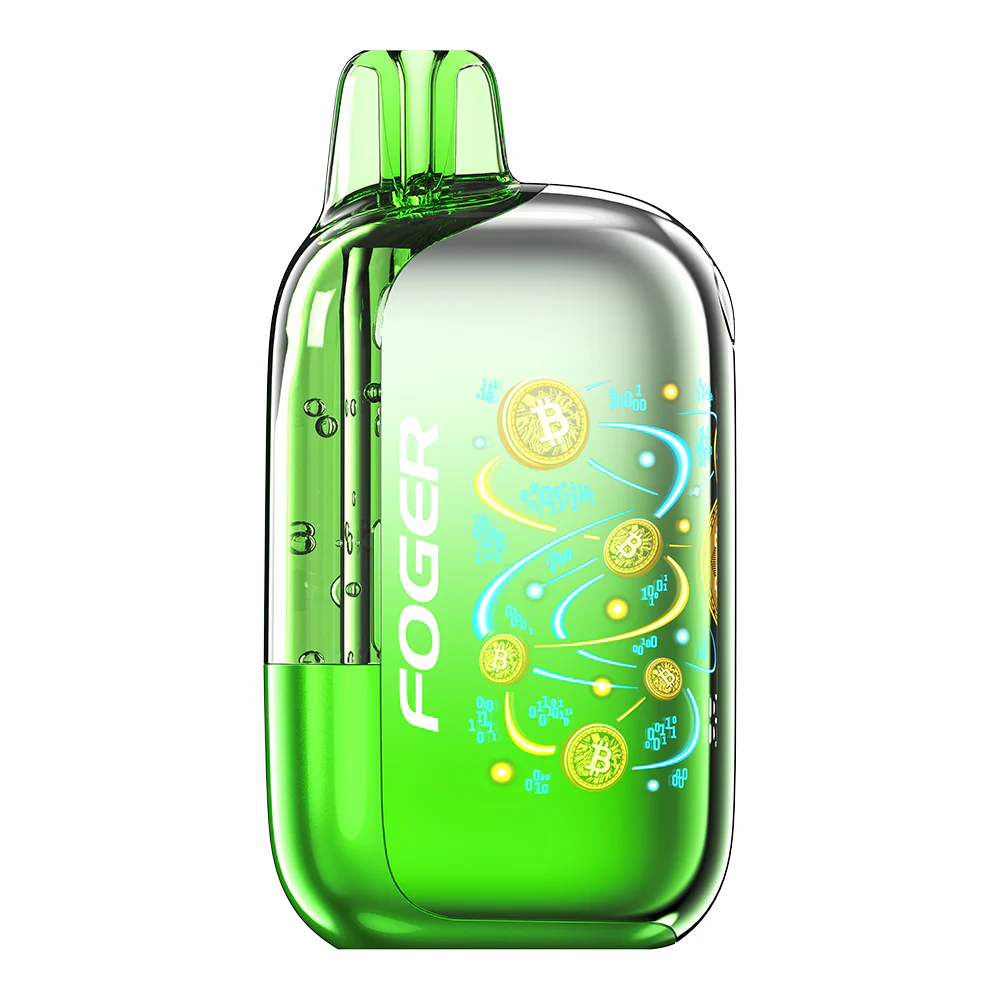
A conventional LED may provide only a low-battery warning after power has already fallen significantly. A numerical or segmented battery gauge gives the user more context. On a rechargeable smart display disposable vape, this makes it easier to distinguish between a device that requires charging and one that may have another operating problem.
However, battery percentages should still be treated as electronic estimates. Battery voltage changes under load, and the displayed value depends on how the device firmware interprets that voltage. A screen reading should not be viewed as laboratory-level battery measurement.
An e-liquid gauge is particularly useful in an opaque device because the reservoir cannot be inspected directly. Depending on the design, the displayed level may be calculated from consumption patterns rather than continuously measuring the physical volume of liquid. That means a reading such as 20% should generally be understood as a status indication, not a precision volumetric measurement.
This distinction matters to distributors and retailers. Product descriptions should explain what the screen actually does rather than implying that every smart display disposable vape measures the exact remaining milliliters of e-liquid.
A display can tell the user which operating mode is active, but it does not create that mode. Power regulation, coil resistance, airflow, firmware, and battery output determine how a device behaves. If a model offers multiple output settings, buyers should check how changing modes affects battery consumption, liquid consumption, rated puff output, and draw characteristics.
The same principle applies to mesh coils and adjustable airflow. These features may work alongside a screen, but a colorful interface should never substitute for checking the underlying hardware specifications.
Not every application requires a full screen. The most appropriate interface depends on how much information the user actually needs and how much complexity the product is intended to introduce.
Feature | Smart Display | Basic LED Indicator | No-Screen Design |
|---|---|---|---|
Battery visibility | Usually detailed | Limited | Minimal or unavailable |
E-liquid status | Possible | Usually unavailable | Usually unavailable unless physically visible |
Mode feedback | Easy to show | May rely on colors or flashes | Limited |
Interface simplicity | Depends on screen design | Very simple | Simplest |
Power required by interface | Higher than a simple status LED | Low | Lowest |
Best fit | Devices where status visibility has practical value | Simple rechargeable or draw-activated products | Minimalist disposable configurations |
The Digital Display Vape Kit provides a useful reminder to check technical specifications rather than relying on product naming alone: its technical configuration identifies a single LED light and no display. For procurement teams, the final confirmed specification should determine whether a model is classified as a true smart-screen device.

For B2B buyers, a screen should be evaluated as part of the complete product specification rather than as a standalone selling feature. The broader Disposable Vaping Devices category includes products with very different display, charging, coil, airflow, and capacity configurations, so a side-by-side specification review is more useful than comparing screen size alone.
A useful smart display disposable vape should answer a practical question quickly. Battery remaining, liquid remaining, charging status, and active mode are understandable functions. Decorative animations may add visual differentiation, but they should not make essential information harder to locate.
Ask whether the liquid gauge is a direct sensor reading, a calculated estimate, or a segmented usage indicator. The answer affects how the feature should be described to distributors and end users. Avoid presenting an approximate gauge as an exact measurement.
Battery capacity, charging interface, charging management, screen behavior during charging, and operating power should be reviewed together. A display is most useful on a rechargeable device when it clearly indicates that charging has started and provides understandable charge status.
If the screen displays several power modes, do not evaluate those settings independently. Higher-output modes can change power demand and e-liquid consumption. Coil arrangement and airflow also influence how a given power setting behaves. Puff ratings should therefore be interpreted together with operating mode rather than as an unconditional usage guarantee.
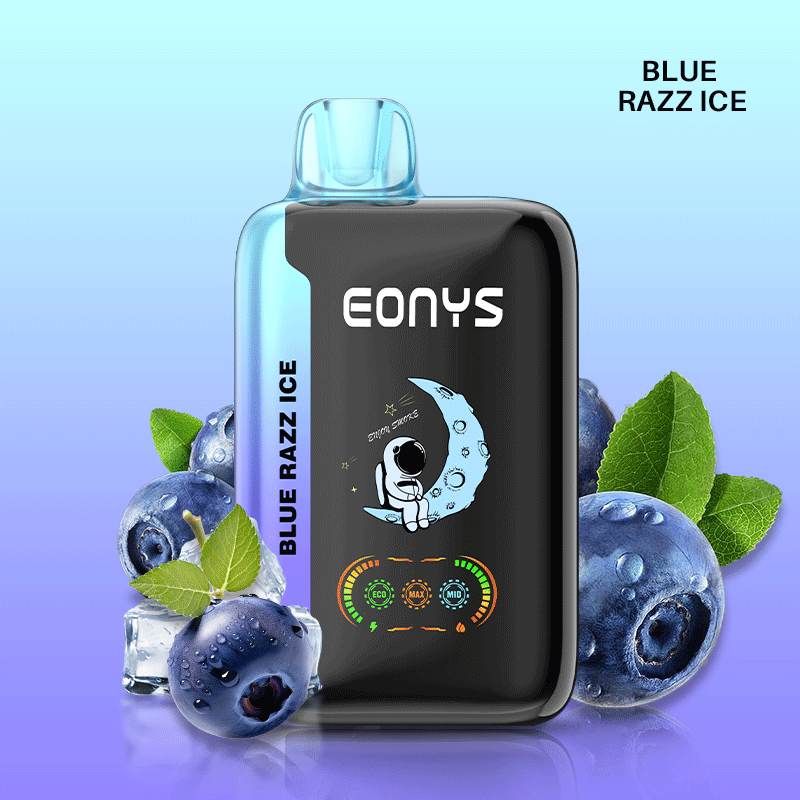
The EONYS B 300K Display illustrates this multi-feature approach: its configuration includes a small digital screen for battery and e-liquid status, Type-C charging, selectable coil configurations, variable wattage, and rotating airflow. Those specifications demonstrate why buyers should evaluate the display alongside the device's operating system rather than treating the screen as the entire product.
A screen can improve troubleshooting because it provides more information, but it cannot diagnose every fault. The following framework helps separate common operating conditions from situations that require the device to be discontinued.
Symptom | Possible Explanation | Practical Response |
|---|---|---|
Screen does not illuminate | Battery depleted, device off, or electronic fault | Follow the model's normal charging or activation instructions; do not disassemble it |
Battery value appears unchanged | Segmented display, delayed refresh, or firmware behavior | Check model-specific operating information rather than assuming a defect |
Liquid indicator is near zero | Reservoir is approaching the estimated end of usable liquid | Do not attempt to refill a product that is not designed for refilling |
No charging indication | Connection, cable, port, battery, or device issue | Use the specified charging method and stop if the device behaves abnormally |
Mode does not change | Incorrect control sequence, lock state, or unsupported function | Refer to the model-specific controls instead of forcing switches or buttons |
Screen works but vapor stops | Liquid depletion, airflow issue, coil condition, or electronic fault | Do not assume a functioning display means the entire device is functioning normally |
A rechargeable smart display disposable vape should never be opened, punctured, rewired, or modified to troubleshoot an internal battery or circuit. Stop using a device that becomes unusually hot, swells, leaks, or shows physical battery damage, and handle end-of-life devices under applicable local battery and electronic-waste requirements.
A smart display disposable vape is most valuable when the screen communicates information that changes what the user should do. Knowing when to charge, recognizing that liquid is nearly depleted, and confirming the active operating mode all provide practical value. This becomes increasingly relevant when a device combines a rechargeable battery with several settings or an opaque reservoir.
A simpler LED or no-screen design may still make more sense when minimal controls, lower interface complexity, compact dimensions, or straightforward status feedback are the priorities. The decision should therefore be based on application rather than the assumption that more screen area means a more advanced product.
A Smart Display Is More Suitable When... | A Simpler Interface May Be Better When... |
|---|---|
Battery and liquid visibility are important | Only basic activation feedback is required |
The device has multiple operating modes | The device has no adjustable functions |
The reservoir is opaque | Remaining liquid can be physically inspected |
Retailers need clearer device-status explanations | Maximum simplicity is the design priority |
The main value of a smart display disposable vape is visibility, not the screen itself. Battery status, e-liquid indication, charging feedback, and mode information can make a device easier to understand, but buyers still need to examine battery design, coils, airflow, power settings, puff-rating conditions, and market requirements together. A clear, functional interface is generally more useful than a display dominated by decorative effects. Hong Kong Happy Sky Co., Ltd. operates as a vape device manufacturer and supplier with disposable devices, pod systems, and vape pens among its product scope, giving buyers several interface configurations to compare for different product requirements.
```
A smart display disposable vape commonly shows battery level and e-liquid status. Depending on the model, it may also display charging progress, operating mode, puff-related information, or warning indicators. The exact functions should always be confirmed for the individual device.
Not necessarily. Some devices use estimated or segmented liquid indicators based on operating data rather than directly measuring the exact remaining volume. Treat the gauge as a device-status aid unless the manufacturer specifies how the measurement is produced.
Not by itself. Vapor generation depends on factors such as coil design, power output, airflow, battery behavior, and e-liquid delivery. The screen communicates information about the device and may provide access to settings, but it is not the component that creates vapor.
Display functions differ by model. Some screens monitor only battery or charging status, while others combine several indicators. A digital screen should not be assumed to include an e-liquid gauge unless that function is part of the confirmed specification.


